Category: Entertainment

  • Digital Entertainment Industry Trends: The Future of Content, Media, and Audience Engagement

    Digital Entertainment Industry Trends: The Future of Content, Media, and Audience Engagement

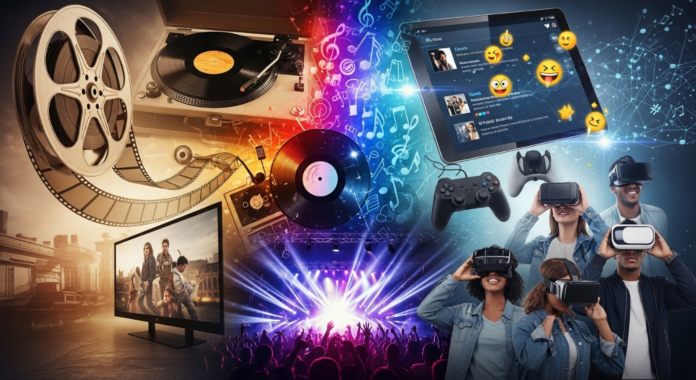
    The digital entertainment industry has undergone a massive transformation over the last decade, evolving from traditional media consumption to highly interactive, personalized, and on-demand experiences. With the rise of streaming platforms, social media content, gaming ecosystems, and virtual experiences, entertainment is no longer limited to television or cinema. Instead, it has become a dynamic digital ecosystem driven by technology, creativity, and user engagement.


    The Shift from Traditional Media to Digital-First Entertainment

    The most significant change in the entertainment industry is the shift from traditional media formats such as cable television, radio, and physical cinema to digital-first platforms. Streaming services have completely changed how audiences consume content. Instead of waiting for scheduled broadcasts, users now demand instant access to movies, series, and live events.

    This shift is driven by convenience and personalization. Digital platforms allow users to choose what they want to watch, when they want to watch it, and on which device. This flexibility has led to a decline in traditional TV viewership while boosting platforms that offer on-demand services.

    Another important factor is global accessibility. Content is no longer restricted by geography. A show produced in one country can quickly gain international popularity through streaming platforms. This global reach has created a more connected and diverse entertainment landscape.


    Rise of Streaming Platforms and Content Subscription Models

    Streaming platforms are at the center of modern digital entertainment trends. Subscription-based services have replaced traditional pay-per-view and cable models. Users now pay monthly or yearly fees to access large libraries of movies, shows, documentaries, and exclusive content.

    One of the key trends in this space is original content production. Platforms are investing heavily in creating exclusive series and films to attract and retain subscribers. This has led to a competitive environment where content quality plays a major role in platform success.

    Another emerging trend is ad-supported streaming models. Some platforms now offer free or low-cost access in exchange for advertisements. This hybrid model is making digital entertainment more accessible while still generating revenue for content creators.

    Additionally, content personalization is becoming more advanced. Algorithms analyze user behavior to recommend shows and movies based on preferences. This increases engagement and keeps audiences active for longer periods.


    Gaming, Interactive Media, and Virtual Entertainment Experiences

    Gaming has become one of the fastest-growing segments of the digital entertainment industry. It is no longer just a hobby but a major form of global entertainment competing with film and television. Online multiplayer games, mobile gaming apps, and esports tournaments have created massive digital communities.

    Cloud gaming is another important trend. It allows users to play high-quality games without expensive hardware by streaming games directly over the internet. This technology is making gaming more accessible to a wider audience.

    Interactive media is also gaining popularity. Unlike traditional passive viewing, interactive content allows users to make decisions that influence the storyline. This creates a more engaging and immersive experience.

    Virtual reality and augmented reality are further expanding entertainment possibilities. These technologies allow users to enter fully immersive digital environments, whether for gaming, concerts, or storytelling experiences. As hardware becomes more affordable, these experiences are expected to become mainstream.


    Social Media, Influencer Culture, and User-Generated Content Growth

    Social media platforms have become powerful entertainment hubs. Millions of users consume short videos, live streams, and interactive content daily. Platforms like these have changed the definition of entertainment by allowing users to become creators themselves.

    Influencer culture is a major driver of this trend. Content creators build large audiences by sharing lifestyle content, tutorials, entertainment clips, and personal experiences. Brands now collaborate with influencers to reach targeted audiences more effectively than traditional advertising.

    User-generated content is also reshaping the industry. Anyone with a smartphone can create and distribute content globally. This democratization of entertainment has led to a diverse range of voices and creative expressions.

    Short-form video content is particularly dominant. Quick, engaging videos are designed to capture attention within seconds, making them highly effective in today’s fast-paced digital environment.

    Live streaming is another growing trend. It allows real-time interaction between creators and audiences, creating a sense of community and engagement that traditional media cannot match.


    The digital entertainment industry continues to evolve rapidly, driven by technological innovation and changing consumer behavior. From streaming platforms and gaming ecosystems to social media and immersive experiences, entertainment is becoming more personalized, interactive, and globally connected. As new technologies emerge, the boundaries of digital entertainment will continue to expand, offering even more engaging and innovative experiences for audiences worldwide.